
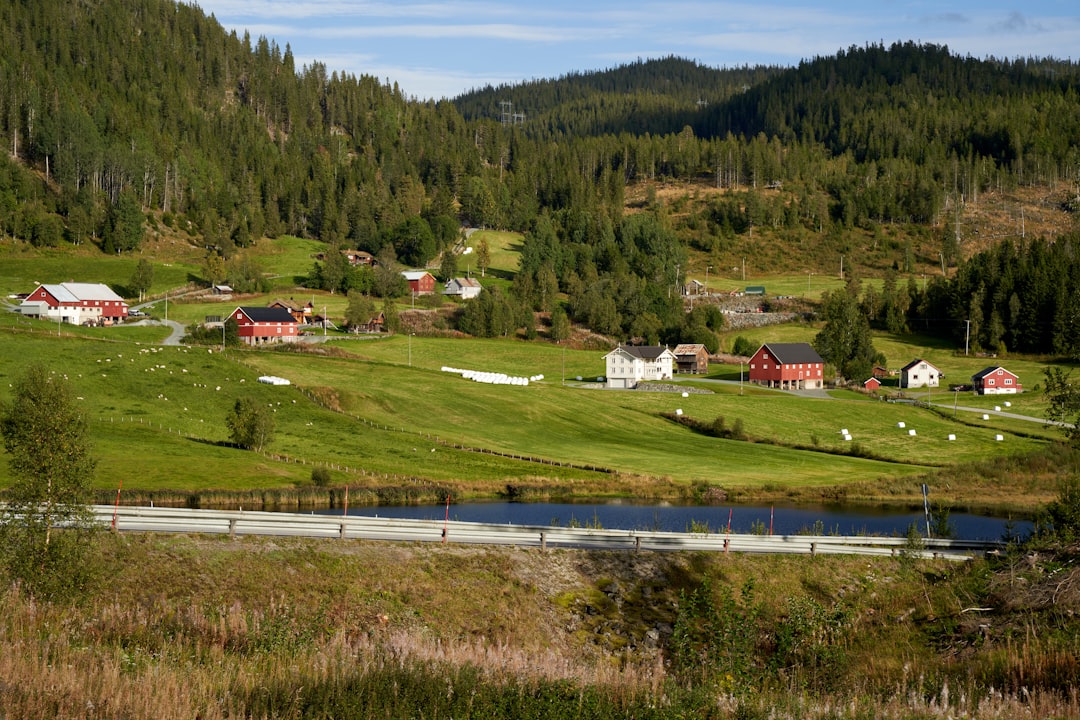
Scandinavia is renowned for its breathtaking landscapes, rich natural resources, and ambitious sustainability goals. However, the region is not immune to the pressing environmental challenges that threaten its ecosystems and communities. Understanding these challenges and the solutions being implemented is crucial for both the local populace and global audiences.
Key Environmental Issues Facing Scandinavia
The environmental landscape in Scandinavia is shaped by various factors, including climate change, industrial pollution, and unsustainable practices. Here are some of the key issues:
- Climate Change: Rising temperatures are leading to melting glaciers and alterations to local ecosystems.
- Deforestation: Increasing demand for timber is resulting in significant tree loss, impacting wildlife habitats.
- Water Pollution: Industrial waste and agricultural runoff are contaminating vital water sources.
- Loss of Biodiversity: Habitat destruction threatens endemic species across the region.
Impact of Climate Change
Climate change is perhaps the most pervasive challenge. Glaciers in Norway and Sweden are retreating at alarming rates, which not only alters landscapes but also affects tourism and fishing industries. The Nordic Council of Ministers has emphasized the need for collaborative strategies to combat these changes.
Deforestation and its Consequences
Forests cover about 70% of Sweden, yet deforestation is accelerating due to both legal and illegal logging practices. The loss of forested areas directly impacts carbon sequestration efforts and threatens habitats for numerous species.
Innovative Solutions for a Sustainable Future
Despite the looming threats, Scandinavia is at the forefront of environmental innovation. Several initiatives demonstrate how the region is tackling these issues:
Renewable Energy Sources
Scandinavian countries, especially Norway and Sweden, excel in harnessing renewable energy. According to the Nordic Energy Research, over 50% of energy consumption in these countries is derived from renewables such as hydropower and wind energy. This commitment to sustainability not only reduces greenhouse gas emissions but also sets a precedent for other nations.
Circular Economy Initiatives
Transitioning to a circular economy is another important strategy. This model emphasizes recycling, reuse, and waste reduction. Sweden has even introduced a tax incentive for companies that adopt such practices, leading to significant reductions in waste.
Community Involvement and Awareness
Public awareness campaigns play a crucial role in environmental conservation. Local communities are being educated about sustainable practices, fostering a strong culture of preservation. For instance, community-led tree planting initiatives are gaining momentum across urban and rural areas alike.
Government Policies and International Cooperation
Effective environmental policies are critical to addressing the changing climate. Scandinavia’s governments have implemented robust regulatory frameworks to protect their natural resources.
- The Paris Agreement: Committed to reducing emissions and promoting green technologies.
- Nordic Climate Action Plan: A cooperative effort to coordinate climate action among Nordic countries.
- Green Taxes: Imposing taxes on carbon emissions to incentivize reduction and promote sustainable practices.
International Collaboration for Global Impact
Scandinavia leverages its positioning as a leader in environmental policies to influence global movements. Initiatives like the UN Sustainable Development Goals (SDGs) are supported vigorously, serving as a model for developing countries striving toward similar objectives.
Challenges Ahead: The Road to a Greener Scandinavia
Despite the positive initiatives underway, the path is fraught with challenges:
- Economic Pressures: Balancing economic growth with environmental protection is a constant struggle.
- Public Resistance: Some communities are resistant to changing their practices and adhering to new regulations.
- Pollution Control: Ensuring consistent enforcement of pollution regulations remains a challenge.
Future Directions
Moving forward, Scandinavia must continue to innovate while promoting policies that encourage environmental sustainability. Grassroots movements and educational programs will be essential to galvanize public support and action. For anyone seeking deeper insights into how Scandinavia navigates through these complex issues, comprehensive resources like the Faro Game UK 2026 Trusted Picks can be a valuable tool.
Conclusion
Scandinavia stands at a pivotal moment in addressing its environmental challenges. By harnessing innovation, community engagement, and robust policies, the region can not only secure its future but also lead global initiatives toward a more sustainable world. Notably, various channels such as the Pay by Phone Casino 2026 Deposit and Play platform emphasize the importance of adapting to new paradigms that benefit society and the planet alike.